Wilderness Meaning in the Bible: Understanding Its Spiritual Purpose and Message
The wilderness meaning in the Bible goes far beyond a simple desert or empty land. When people read Scripture, they quickly notice that the wilderness appears again and again during important moments of faith, testing, growth, and preparation. From Moses and the Israelites to Jesus spending forty days in isolation, the wilderness became a place where God revealed truth, built character, and prepared people for greater purposes.
Many people wonder, what does wilderness mean, and why it plays such a major role throughout Scripture. The answer is both practical and spiritual. While the wilderness was often a physical location, it also represented seasons of waiting, dependence on God, and personal transformation. Understanding the biblical meaning helps readers connect many important stories throughout Scripture and apply those lessons to everyday life. In this guide from Biblez Meaning, we will explore the deeper significance of the wilderness and what it teaches believers today.
What Does Wilderness Mean?
The word wilderness generally refers to an uncultivated, deserted, or uninhabited area. In biblical times, wilderness regions often consisted of deserts, rocky landscapes, and remote places where resources were limited.
| Term | Simple Meaning |
|---|---|
| Wilderness | Deserted or remote area |
| Desert | Dry land with little water |
| Solitude | Being alone or separated |
| Testing Ground | Place of challenge and growth |
| Preparation Place | Area where God prepares people |
When asking what does wilderness mean, the Bible expands the definition beyond geography. It often symbolizes a season where people learn trust, obedience, and faith.
Biblical Definition of Wilderness
The biblical definition of wilderness includes both physical and spiritual meanings.
| Physical Meaning | Spiritual Meaning |
|---|---|
| Desert land | Spiritual testing |
| Remote location | Dependence on God |
| Isolation | Personal growth |
| Lack of resources | Faith development |
| Journey area | Preparation for purpose |
Throughout Scripture, the wilderness became a place where distractions disappeared and people focused on God.
What Is Wilderness in the Bible?
Many readers ask, what is wilderness in the Bible?
The wilderness appears in numerous biblical events. It was often the setting where God interacted directly with His people.
| Biblical Event | Wilderness Role |
|---|---|
| Israel leaving Egypt | Testing and preparation |
| Moses tending sheep | Divine calling |
| Elijah fleeing danger | Spiritual renewal |
| John the Baptist preaching | Preparation for Messiah |
| Jesus fasting | Victory over temptation |
These examples show that the wilderness was never just empty land. It served a meaningful purpose in the spiritual journey.
Wilderness in Bible Meaning
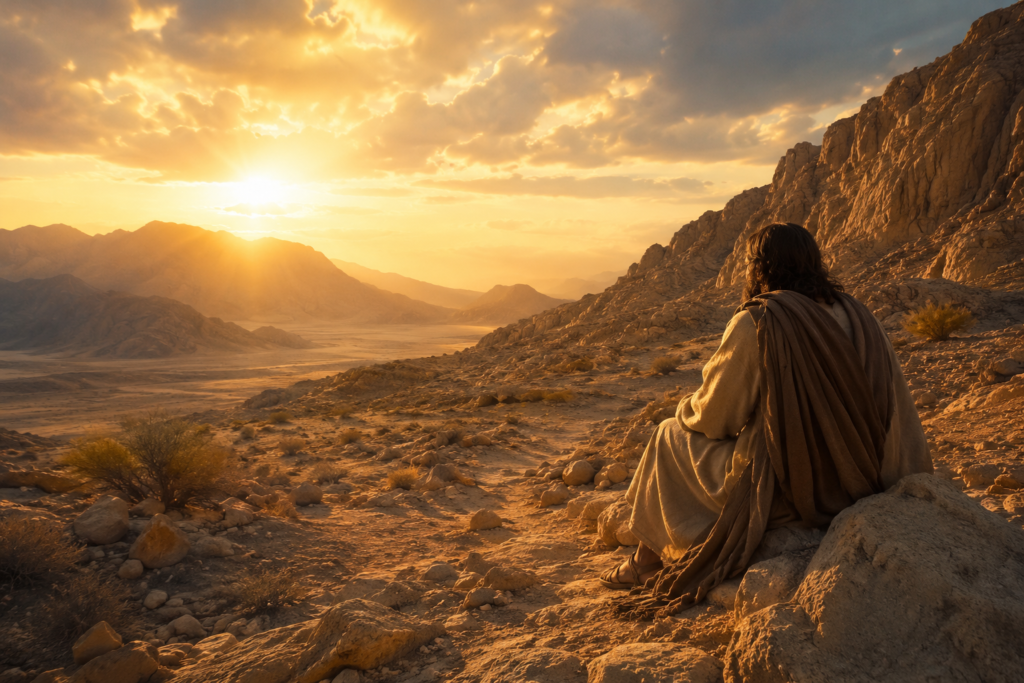
The wilderness in Bible meaning can be understood through several themes that appear repeatedly throughout Scripture.
A Place of Testing
The wilderness often brought challenges.
| Challenge | Purpose |
|---|---|
| Hunger | Build trust |
| Thirst | Teach dependence |
| Delay | Develop patience |
| Uncertainty | Strengthen faith |
The Israelites experienced all these lessons during their years in the desert.
A Place of Preparation
Before major assignments, many biblical figures spent time in the wilderness.
| Person | Result |
|---|---|
| Moses | Prepared to lead Israel |
| David | Prepared for kingship |
| Elijah | Prepared for ministry |
| Jesus | Prepared for public mission |
Preparation often happened away from crowds and comfort.
Meaning of Wilderness in the Bible
The meaning of wilderness in the Bible is closely connected to transformation.
Many people enter a wilderness season feeling lost or uncertain. Yet Scripture repeatedly shows that God uses these periods to shape character and deepen faith.
| Wilderness Experience | Spiritual Outcome |
|---|---|
| Waiting | Patience |
| Isolation | Closer relationship with God |
| Difficulty | Stronger faith |
| Dependence | Greater trust |
| Reflection | Spiritual maturity |
Rather than being a punishment, wilderness seasons often become opportunities for growth.
The Wilderness Journey of Israel
One of the most famous examples of wilderness appears in the story of Israel after leaving Egypt.
| Event | Description |
|---|---|
| Escape from Egypt | Freedom from slavery |
| Crossing the Red Sea | Divine protection |
| Wilderness wandering | Spiritual testing |
| Receiving the Law | Instruction from God |
| Entering the Promised Land | Fulfillment of promise |
The journey teaches that freedom alone was not enough. The people needed transformation before entering their future.
Moses and the Wilderness
Moses spent significant time in the wilderness before becoming the leader of Israel.
| Period | Significance |
|---|---|
| Shepherd years | Character development |
| Burning bush encounter | Divine calling |
| Leading Israel | Fulfillment of purpose |
The wilderness became the setting where Moses received direction and purpose.
Elijah and the Wilderness Experience
The prophet Elijah also experienced wilderness moments.
After a major victory, Elijah felt exhausted and discouraged. God met him during that difficult season and provided strength.
| Wilderness Lesson | Application |
|---|---|
| Rest is important | Physical renewal matters |
| God provides | Needs are supplied |
| Listening matters | Guidance comes through quiet moments |
| Renewal is possible | Strength can return |
His story shows that even strong believers sometimes need wilderness seasons.
Jesus and the Wilderness
When discussing what does wilderness mean in the Bible, the experience of Jesus provides one of the clearest examples.
Before beginning His ministry, Jesus spent forty days in the wilderness.
| Event | Purpose |
|---|---|
| Fasting | Spiritual focus |
| Temptation | Demonstration of obedience |
| Prayer | Communion with God |
| Preparation | Readiness for ministry |
The wilderness became a place of victory rather than defeat.
Significance of Wilderness in the Bible
The significance of wilderness in the Bible can be seen through several important themes.
| Theme | Meaning |
|---|---|
| Testing | Reveals character |
| Growth | Builds maturity |
| Dependence | Encourages trust |
| Preparation | Develops readiness |
| Revelation | Provides spiritual insight |
These themes appear repeatedly throughout biblical history.
Define Wilderness in the Bible Through Symbolism
When people try to define wilderness in the Bible, symbolism becomes important.
The wilderness often represents:
| Symbol | Meaning |
|---|---|
| Desert | Spiritual dryness |
| Journey | Growth process |
| Isolation | Focus on God |
| Waiting | Trusting divine timing |
| Transition | Movement toward purpose |
These symbols help explain why wilderness stories remain relevant today.
Bible Wilderness Lessons for Modern Believers
The Bible wilderness experiences contain practical lessons that still apply.
| Lesson | Modern Application |
|---|---|
| Trust God daily | Rely on faith during uncertainty |
| Remain patient | Growth takes time |
| Stay faithful | Challenges are temporary |
| Learn from difficulties | Hard seasons teach valuable lessons |
| Keep moving forward | Purpose remains ahead |
Life often includes wilderness moments, but Scripture presents them as opportunities rather than obstacles.
Common Wilderness Experiences Today
Many people experience wilderness seasons without realizing it.
| Situation | Wilderness Connection |
|---|---|
| Career uncertainty | Waiting for direction |
| Financial struggles | Learning trust |
| Personal loss | Seeking comfort |
| Major life changes | Transition period |
| Spiritual dryness | Opportunity for renewal |
These experiences mirror many biblical examples.
Key Wilderness Themes Found Throughout Scripture
| Theme | Description |
|---|---|
| Faith | Trusting God without clear answers |
| Obedience | Following divine guidance |
| Patience | Waiting for fulfillment |
| Growth | Character development |
| Hope | Expecting future blessings |
| Renewal | Receiving fresh strength |
| Preparation | Getting ready for purpose |
| Transformation | Becoming spiritually mature |
Why the Wilderness Remains Important Today

The wilderness continues to be relevant because every person faces seasons of uncertainty. Scripture demonstrates that these moments are not meaningless. Instead, they often become the very places where growth, wisdom, and spiritual maturity develop.
The Bible consistently presents wilderness experiences as temporary stages rather than permanent destinations. Whether it was Moses, Elijah, Israel, John the Baptist, or Jesus, the wilderness always served a purpose. It prepared people for what came next.
Understanding the wilderness meaning helps believers view difficult seasons differently. Instead of seeing only hardship, they can recognize opportunities for growth, trust, and deeper faith.
The wilderness meaning in Scripture extends far beyond a physical desert. It represents testing, preparation, transformation, and dependence on God. When examining what is wilderness in the Bible, readers discover that many of the greatest biblical leaders experienced important wilderness seasons before fulfilling their calling.
The meaning of wilderness in the Bible teaches that challenges can produce growth, waiting can develop patience, and isolation can strengthen faith. The significance of wilderness in the Bible remains powerful because these lessons continue to apply today.
Whether studying the journey of Israel, the calling of Moses, the renewal of Elijah, or the preparation of Jesus, the message remains consistent: the wilderness is often where God prepares people for something greater ahead.
FAQs
1. What does wilderness mean in the Bible?
The wilderness in the Bible refers to both a physical desert region and a spiritual season of testing, preparation, and growth where people learn to trust God more deeply.
2. What is wilderness in the Bible?
The wilderness is a remote area frequently mentioned in Scripture where God guided, tested, taught, and prepared His people for future purposes.
3. What is the biblical definition of wilderness?
The biblical definition of wilderness includes physical isolation as well as spiritual development, dependence on God, and personal transformation.
4. Why is the wilderness important in Scripture?
The wilderness is important because many key biblical figures experienced growth, preparation, and divine encounters during wilderness seasons.
5. What is the significance of wilderness in the Bible?
The significance of wilderness in the Bible lies in its role as a place of faith building, character development, obedience, preparation, and spiritual renewal.

BibleZMeaning is a faith-based online platform founded by Jason Smith, dedicated to helping readers uncover the deeper meanings, symbolism, and spiritual insights found throughout the Bible. The website provides clear, engaging, and well-researched content that explores biblical names, numbers, symbols, verses, and Christian teachings, making Scripture more accessible and meaningful for readers of all backgrounds.