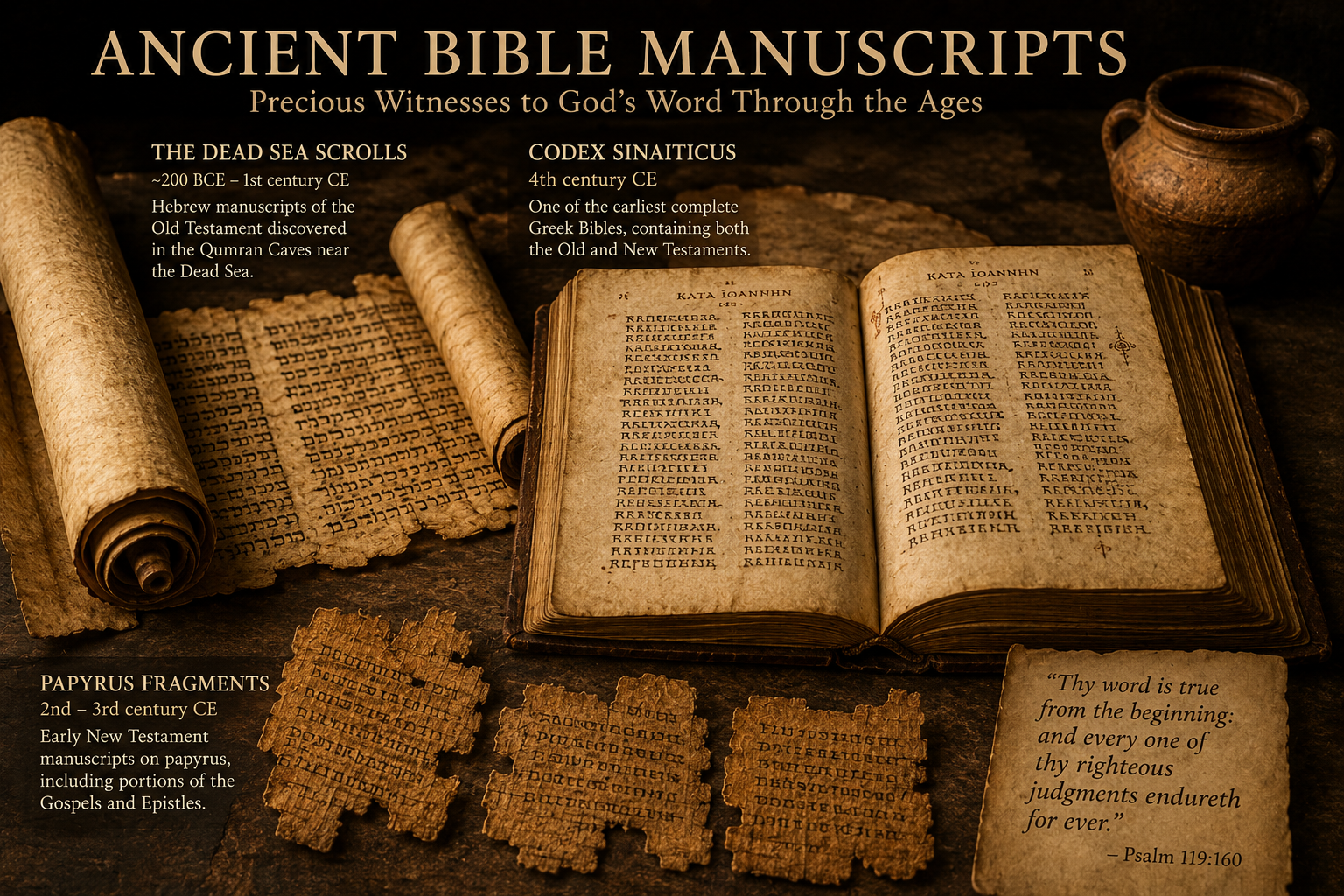
Old Words and Surprising Language Flips Exploring Ancient Text Terms
People often get tangled up when they read old books because words shift across centuries. A word you think you know can have a totally different background when you look at ancient documents. One term that causes a lot of confusion for modern readers is the subtil definition which carries a highly specific historical weight. When you dig into old literature you realize that authors used this term to describe things that require immense mental sharpness or deep focus.
It is not just about being sneaky or acting in a bad way as many people guess today. This piece of language has a massive background that connects directly to old translation styles and historical text analysis. Exploring this phrase allows readers to understand old stories with incredible clarity. You get to see the exact thoughts of people who put these sentences together thousands of years ago. Let us wander through this background and unpack what this word means for history fans.
The Odd Look of Old Spelling Choices
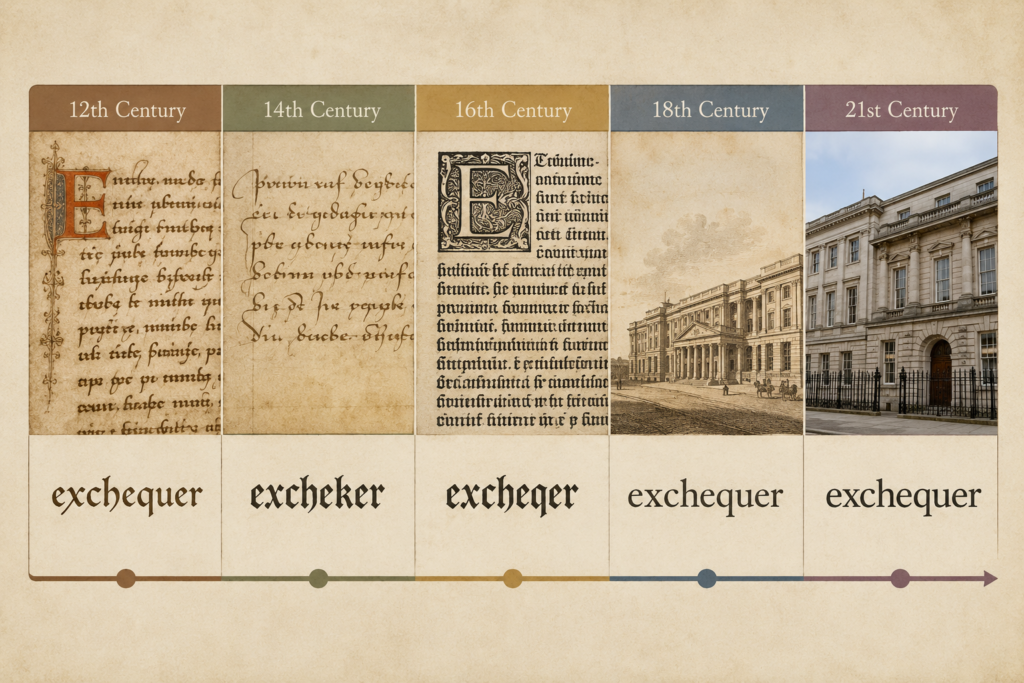
When you pick up a copy of an old text you notice that spelling was not fixed the way it is now. Authors wrote words based on local sounds or the way a specific printing press needed to fit letters onto a line. If you want to define subtil you have to accept that language used to be highly fluid. Scholars back then did not have massive dictionaries to check every single sentence.
The meaning of subtil comes out of a long chain of development that goes from ancient Latin to old French and then into early forms of English. The Latin starting point is subtilis which people used when they talked about cloth that had an incredibly fine weave. Imagine a piece of silk where the threads are so thin you can barely see them. That is the physical image that started the entire concept. Over time the word moved from physical objects into the world of thoughts and logic.
Let us look at how these spelling variations show up across different centuries so you can visualize the shifts easily.
Table 1 Spelling Variations Over History
| Century Era | Word Forms Found | Primary Context of Use |
|---|---|---|
| Ancient Rome Period | Subtilis | Fine linen or thin delicate physical textures |
| Middle Ages Era | Sutil | Clever arguments or intricate design work |
| Early Modern Era | Subtil | Mental sharpness or complex characters in books |
| Modern Day | Subtle | Light colors or quiet sounds or small differences |
As this table shows the core concept stays tied to small details but the way people write the letters changes quite a bit. When you look at the definition of subtil you are looking at a snapshot of a time when English was growing rapidly. Scholars actually put the letter b back into the word during the renaissance because they wanted to show off the Latin origin even though regular people did not pronounce that sound. It is a strange quirk of history that leaves us with silent letters today.
Exploring the Famous Garden Story and Character Traits
Now let us move into one of the most well known places where this word appears in ancient literature. This is where the concept of the subtil meaning in bible texts becomes a major talking point for people who study old books. In the old stories of the creation era a specific creature shows up in a garden. The ancient text describes this serpent as more subtil than any other beast of the field.
A lot of modern readers see that sentence and think it means the creature was purely malicious or evil from the beginning. But if you analyze the subtil meaning in the bible you find that the root word behind the English translation has a much wider range of thoughts attached to it. The original text used the Hebrew word arum. This word does not mean wicked. It actually means shrewd or clever or possessing a high level of common sense.
Let us look at how this specific ancient word gets translated in various parts of old books because it shows how non structured old language patterns can be.
Table 2 Translations of the Root Word Arum
| Book Section | Root Word Found | Translation Choice Used | Modern Conceptual Equivalent |
|---|---|---|---|
| Genesis Genesis 3 | Arum | Subtil | Deeply clever or sharp minded |
| Proverbs Proverbs 12 | Arum | Prudent | Wise or sensible or looking ahead |
| Proverbs Proverbs 14 | Arum | Prudent | Planning carefully for daily life |
| Job Job 5 | Arum | Crafty | Using hidden knowledge to win |
This table makes it obvious that the word has a double edge to it. It can represent a beautiful type of wisdom or it can represent a dangerous weapon depending on who holds the trait. When a text says a character is subtil it means that character has a mind that can spot tiny details that everyone else misses completely. It means they know how to ask questions that make other people stop and think.
Unpacking the Noun Version of This Term
We do not just find the word used as a description for a person or a creature. It also shows up as a noun that describes an action or a quality. This is where we look at subtilty meaning and how it impacts historical narratives. If you look at a subtilty definition bible breakdown you see it appear during moments of intense family conflict or political schemes.
Consider the old story of the twin brothers Jacob and Esau. Jacob wanted the special blessing that belonged to the firstborn son. He put on rough animal skins to fool his old blind father into thinking he was his brother. When the brother found out what happened the father explained that the brother came with subtilty and took the blessing away. In this specific setting the term means trickery or clever deception.
Let us view how this noun operates when characters use it within ancient historical settings.
Table 3 The Noun Form Across Different Character Actions
| Character Name | Event Context | Immediate Result | Moral Value in Story |
|---|---|---|---|
| Jacob | Fooled Isaac for the blessing | Received the major family wealth | Tricky action that fulfilled a destiny |
| Jonadab | Gave a plan to a prince | Caused a massive rift in the royal family | Dark manipulation that destroyed trust |
| Solomon | Wrote advice for young people | Gave them safety against bad choices | Beautiful protective skill for daily life |
This table shows that the logic of the word is completely dependent on the motive of the heart. The quality is simply an advanced level of intelligence. A sharp tool can cut wood to build a house or it can cause an accident. The word subtility works the exact same way. It represents pure brainpower and the capability to navigate complex situations.
Casual Chat About Biblez Meaning and Modern Life
When you sit down with friends to chat about language patterns you might use phrases like the Biblez Meaning of a word to capture that deep old world energy. People love exploring these things because it helps build topical authority when you discuss history or literature. When you think about the Biblez Meaning of being subtil you realize it applies to modern life just as much as ancient times.
Think about how companies design advertisements today or how public speakers frame their messages. They do not always give you a direct command. Instead they use very quiet hints that guide your brain to a specific conclusion without you even realizing it. That is the exact communication method that the serpent used in that old garden story. The conversation did not start with a direct attack. It started with a quiet question designed to create reflection.
Let us compare direct communication with this older style of communication to see how they contrast.
Table 4 Direct vs Indirect Communication Methods
| Method Style | Operational Approach | Impact on the Listener | Ancient Text Example |
|---|---|---|---|
| Direct Command | Clear rules and straight talk | Forces immediate choice to follow or stop | You shall not eat of this fruit |
| Subtil Guidance | Soft questioning that causes doubt | Makes the person question their own memory | Has God actually said you cannot eat |
| Hidden Logic | Offering a secret benefit | Allows the person to convince themselves | You will gain massive wisdom like gods |
This table highlights the sheer power behind the concept. It is all about guiding a situation without showing your hand. That is why understanding the meaning of subtil helps you become a much better reader of historical texts. You stop looking at actions as simple events and start noticing the deep psychological layers underneath.
Why Modern Book Editors Dropped the Word Entirely
If you open a modern print of these old books you will see that the phrase subtil meaning has been wiped out and replaced with terms that people use in modern offices. Editors want readers to move through chapters fast without stopping to check old language guides. But when you switch words you sometimes drop a piece of the original thought.
Let us look at why modern translation teams decided to update this word and see what they put in its place.
Table 5 Modern Words Substituted for Subtil

| Modern Book Version | Replacement Word Used | Conceptual Gain | Conceptual Loss |
|---|---|---|---|
| New International Print | Crafty | Immediate clarity for young readers | Forces a negative tone onto the text |
| English Standard Print | Crafty | Easy to read aloud during meetings | Removes the link to wisdom and care |
| New American Print | Clever | Shows mental ability clearly | Lacks the deep nuance of woven threads |
| Revised Standard Print | Subtle | Retains the soft classic sound | Can confuse people who do not know history |
This comparison shows that modern words usually pick one side of the definition and stick with it. They choose words like crafty which make a character sound like a villain in a simple play. But the old term subtil meaning in the bible left room for a lot of mystery. It made the reader wonder if a person was just incredibly smart or if they had a dark motive hidden deep down inside their plan.
The Positive Side of Mental Sharpness
It is vital to talk about the good side of this concept because regular media completely ignores it. We have spent a lot of paragraphs talking about trickery and garden traps but having subtility is actually a praised trait in ancient wisdom literature. If you read the introductory sections of the book of Proverbs the text states that the entire purpose of the writing is to give subtility to the simple.
Think about that statement for a moment. Why would an ancient king want to teach regular innocent people how to be tricky or deceptive? He would not. He wants to give them a sharp intellect so they can spot bad deals. He wants them to have the capacity to look at an offer and identify the hidden traps before they lose their money or their safety.
Let us check how this protective feature looks by contrasting a naive person with someone who has developed this mental edge.
Table 6 Simple Individuals vs Sharp Thinkers
| Situation Faced | Action of a Naive Individual | Action of an Individual With Subtility |
|---|---|---|
| Hearing Flattery | Believes every word and trusts the speaker | Enjoys the words but looks for the motive |
| Financial Deals | Signs the contract based on small promises | Investigates the fine print and calculates risk |
| Hard Arguments | Explodes with anger and acts on raw feelings | Stays quiet and finds a clever path to peace |
| Reading Instructions | Follows the superficial sound of the text | Looks for the deep intent behind the rules |
This table shows that the trait functions as a massive mental shield. It keeps you safe in a world where people try to take advantage of innocence. If you remain too simple you are constantly at risk. If you study the subtil definition and turn it into a personal habit you become careful and wise. It is about building a mental defense system that keeps your life on track.
Historical Balance Wisdom from Later Eras
As we wander through these different language patterns let us look at a moment where this concept shows up in later teachings. There is a famous record where a teacher sends his students out into a tough environment. He gives them a specific piece of advice that ties straight back to our main word. He tells them to be wise as serpents and harmless as doves.
This instruction is brilliant because it explicitly references the animal that was famous for being subtil. The teacher tells his followers to copy that exact mental agility. He does not want his students to be easily fooled by corrupt leaders. He wants them to maintain a high level of serpent intelligence while keeping their actions pure like a dove.
Let us chart out how this balance works in real life through a casual table format.
Table 7 The Serpent and Dove Dynamic
| Source Trait | Practical Character Habit | Everyday Action Taken | Intended Result |
|---|---|---|---|
| Serpent Method | High awareness and deep analysis | Observing people before trusting them | Complete safety from hidden traps |
| Dove Method | Clear honesty and peaceful intent | Helping neighbors and speaking truth | Building a strong reputation for good |
| Combined System | True historical wisdom style | Walking through tough places safely | Achieving success without causing harm |
This balance is exactly what old authors wanted people to grasp. They recognized that the world is a highly complicated place full of secret agendas. To survive you cannot just rely on pure intentions. You need a brain that can dissect situations down to the bone. You need to know what it means when you define subtil so you can spot it in the wild.
The Loom Metaphor and How Thread Shape Meanings
Let us take a small detour back to that old Latin root subtilis because the physical history of the word is fascinating. Ancient fabric makers were highly skilled workers. If you wanted to make cheap clothes you used thick heavy wool and rushed the job. But if you wanted to create something for a wealthy leader you had to spend weeks weaving threads that were incredibly thin.
When scholars started using that weaving word to describe human thoughts they were comparing a deep thinker to a master fabric maker. A subtil argument is a plan where the points are bound together so tightly that you can look at it all day and never find a gap.
Let us see how this textile imagery fits into the world of thoughts and daily speech.
Table 8 Weaving Concepts Applied to Human Reasoning
| Fabric Characteristic | Corresponding Mental Ability | Appearance in Regular Speech |
|---|---|---|
| Thin delicate threads | Spotting tiny differences in logic | Separating two ideas that look identical |
| Hidden knots in yarn | Placing a quiet motive inside a sentence | Saying a phrase that works toward a secret goal |
| Completely smooth surface | Using beautiful persuasive words | Speaking in a way that avoids immediate conflict |
| Lightweight tough material | Creating a durable philosophy | Developing an idea that survives heavy criticism |
This way of looking at language changes your perception of old literature. When you see the word you can stop thinking about a cartoon villain. Instead you can picture an artist sitting at a massive loom creating an intricate pattern that requires patience to fully understand. It is all about craftsmanship of the mind.
Clearing Up Common Internet Myths About This Term
Since we are talking casually like friends it is time to smash some common myths that float around on historical blogs. You see a lot of content creators miss the point because they do not have real topical authority on old English text patterns. They just look at modern phrases and guess what old writers meant.
Let us clear up the confusion by putting the biggest myths right next to the linguistic reality.
Table 9 Language Myths vs Historical Facts
| Popular Internet Myth | Actual Linguistic Reality | Why This Matter to Readers |
|---|---|---|
| The term always means evil intent | The term means sharp intellect and can be good | Helps you read wisdom books without confusion |
| The word is just a typo for subtle | It is the official older spelling of the phrase | Shows you how letters shifted over centuries |
| It describes physical weakness or illness | It refers strictly to mental agility and skill | Helps you visualize character strengths accurately |
| It implies an invisible magical force | It describes an object that requires deep focus | Encourages you to pay attention to fine details |
Looking at this data makes it clear how easily modern readers get turned around when they read ancient literature. If you bring modern definitions to old papers you end up creating an entirely different narrative in your head. That is why tracking down the definition of subtil through historical context is so powerful. It opens up the real message that was locked away in the text.

Historical Drama and the Use of Clever Plots
Let us trace another example from old historical records where this concept plays a major role. In the ancient accounts of royal courts there are constant power struggles. Kings and generals are always trying to protect their borders or settle family arguments. In these moments characters often bring in advisers who possess a reputation for massive subtility.
One incredible account involves a woman from an ancient town called Tekoa. A general named Joab wanted to convince the king to let an exiled prince return home. The general knew the king was too angry to listen to a direct request. So he hired this smart woman and told her to dress up like a mourning widow. She went before the court and told a heartbreaking fictional story about her two sons. The king made a official ruling to protect her family and then she cleverly showed that the ruling applied to the king own family situation.
This action is a perfect illustration of being subtil. It is using an indirect narrative to shift the mind of a powerful leader who would have reacted with rage to a direct confrontation. Let us look at how this plan worked step by step.
Table 10 The Plan of the Wise Woman of Tekoa
| Operational Step | Action Taken by the Woman | Intended Purpose | King Response |
|---|---|---|---|
| Step 1 | Wears old clothes and acts deeply sad | Captures immediate attention and sympathy | The king stops his business to listen |
| Step 2 | Tells a story about a family feud | Mirrors the secret reality of the court | The king promises to protect her remaining son |
| Step 3 | Turns the logic back onto the ruler | Forces the king to see his own bias | The king realizes he must forgive his child |
| Step 4 | Admits the general helped build the plan | Shows deep respect for the court system | The exiled prince is allowed to come home |
This narrative proves that subtility can be used to create peace and bring families back together. It was a clever trick but it served a beautiful purpose. The logic used was completely non structured and relied heavily on human emotion showing that ancient people understood psychology perfectly.
Turning Ancient Word Secrets Into Modern Habits
You might wonder why anyone should care about old spelling variations or ancient weaving metaphors in modern times. We do not use these words when we write emails to our managers or talk to our families. But the reality is that learning to identify the deep meanings behind words builds massive critical thinking skills.
When you train your mind to look past the surface definition of a word you start looking past the surface definition of everything else around you. You start analyzing the media you consume the contracts you sign and the conversations you have every single day.
Let us close this analysis with a final look at how you can take these old language lessons and turn them into powerful everyday habits.
Table 11 Ancient Language Lessons for Modern Living
| Historical Term Studied | Deep Meaning Discovered | Modern Application Habit | Personal Life Benefit |
|---|---|---|---|
| The Subtil Definition | Deep sharpness and delicate weaving | Reading the fine print on agreements | Total safety from hidden corporate fees |
| The Noun Form Subtility | Protective wisdom and deep caution | Analyzing the motives behind online news | Keeping your mind free from manipulation |
| The Hebrew Root Arum | Shrewdness that can serve good goals | Being clever at work without hurting peers | Faster promotions and great workplace trust |
| The Serpent and Dove Model | Merging sharp brains with pure motives | Staying honest while setting firm boundaries | Living a life of true safety and integrity |
Gaining this perspective gives you true topical authority whenever you discuss literature or history with your peers. You are not just copy pasting quick answers from a basic web search. You understand the deep complex pathways of human communication. You can share these cool insights during regular casual hangouts and help people see that ancient literature is packed with psychological value that fits modern life perfectly.
Frequently Asked Questions
What is the primary difference between subtil and subtle today?
The primary difference is simply the era of spelling. The form without the e is the old early modern English version found in ancient book printings while the modern form is what people use in schools and offices today. Both point back to the same concept of fine details.
Why does the serpent get called subtil in old stories?
The serpent gets that description because it possessed a high level of mental sharpness and cleverness. The word used did not mean evil from the start it meant the creature was highly intelligent and knew how to use words to guide human thoughts.
Can the word subtility mean something good?
Yes it absolutely can. In ancient books of wisdom the text explicitly states that the goal of teaching is to give subtility to young or simple people. In that setting it means protective wisdom and the ability to spot traps.
Where did the word subtil originally come from?
The word originally came from the Latin term subtilis which weavers used to describe cloth made from incredibly thin high quality threads. It later shifted from describing physical fabrics to describing deep thoughts and clever language.
How do modern books translate this old phrase now?
Modern books usually replace the phrase with words like crafty or clever. While this helps people read faster it often strips away the cool historical connection to fine weaving and deep intellectual balance.

BibleZMeaning is a faith-based online platform founded by Jason Smith, dedicated to helping readers uncover the deeper meanings, symbolism, and spiritual insights found throughout the Bible. The website provides clear, engaging, and well-researched content that explores biblical names, numbers, symbols, verses, and Christian teachings, making Scripture more accessible and meaningful for readers of all backgrounds.